Intimacy in the Face of Cancer
Cancer can change how people experience closeness, affection, and intimacy. These shifts are common and influenced by physical side effects as well as emotional challenges. This article explores why these changes occur and the importance of understanding and compassion when navigating intimacy after cancer.
يمكن أن يُغيّر السرطان الطريقة التي يختبر بها الناس القرب والمودة والحميمية. هذه التغيرات شائعة، وتتأثر بالآثار الجسدية للعلاج وكذلك بالتحديات النفسية والعاطفية. يستعرض هذا المقال أسباب حدوث هذه التغيرات، وأهمية التفهم والتعاطف عند التعامل مع الحميمية بعد تجربة السرطان.
January 31, 2026


Cancer changes many things — including how we feel about closeness, affection, and intimacy. These changes might be immediate or occur later, long after treatment has ended. If this is your experience, or that of someone close to you, it is important to know that this is common, understandable, and not a personal failing.
Medical treatments such as surgery, chemotherapy, radiotherapy, and hormone therapies can affect energy levels, comfort, body confidence, and desire for physical closeness. Emotional factors, including fear, anxiety, sadness, or a sense of loss can play just as big a role. Research consistently shows that concerns around intimacy are one of the most common, yet least spoken about, challenges faced by people affected by cancer.
Intimacy is a private subject, more so in some cultures and settings than others. This can make it even harder to voice worries or ask for support. Yet silence can sometimes create distance, not because love is lost, but because both partners are unsure how to move forward.

Intimacy is broader than physical relations alone. Intimacy can include emotional closeness, gentle touch, shared moments of calm, laughter, prayer, conversation, or simply sitting together in quiet understanding. For many couples after cancer, intimacy becomes less about what the body can do, and more about how two people connect, support, and care for one another.
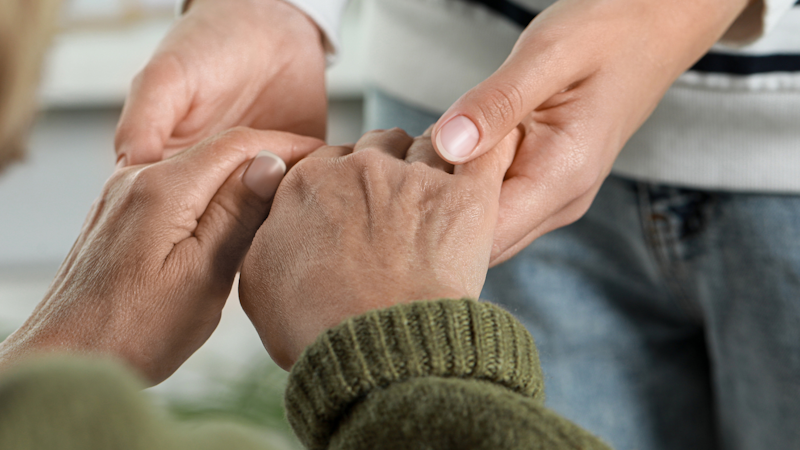
Rebuilding closeness does not need to be rushed. Small steps matter. Holding hands, sitting close, or offering comfort without expectation can help rebuild trust in the body and in the relationship. Open, kind communication — sharing fears, limits, and needs — can reduce misunderstanding and ease pressure on both partners.
Self compassion is important. Your body has changed but that does not mean something is “wrong” with you, nor does it reduce your worth, attractiveness, or capacity to love and be loved. Intimacy after cancer is not about returning to who you were before, but about discovering what closeness looks like now.
Intimacy is not lost forever because of cancer. It may change, pause, or look different. With patience, understanding, and care, closeness can still have a meaningful place in your life.
If concerns around intimacy are causing distress for you or your partner, support is available. Healthcare professionals, counsellors, and trained coaches can help individuals or couples navigate these changes with sensitivity and respect.
Subscribe to our newsletter
Stay informed, inspired, and supported! Our monthly newsletter delivers expert advice, real stories, and practical tips to help you navigate life during and after cancer with confidence and hope.