Lymphedema - Life Beyond Treatment
Lymphedema is a life-changing but often overlooked consequence of cancer treatment. Drawing from lived experience and years of supporting survivors, we highlight the importance of early awareness and timely care. This article also marks the beginning of a new lymphedema support group - a space for shared understanding and connection.
الوذمةُ اللمفيةُ من أكثرِ مضاعفاتِ علاجِ السرطان إغفالًا، رغم أنّها حالةٌ مزمنةٌ قادرةٌ على تغيير تفاصيلِ الحياةِ اليومية للمصاب. وانطلاقًا من تجاربِنا الشخصية وسنواتٍ من مرافقةِ المريضاتِ والناجيات، نكتب اليوم لنعيد هذه الحالة إلى واجهة الحديث عن رحلةِ التعافي من السرطان، مؤكداتٍ أن التوعيةَ المبكرةَ والوصولَ إلى الرعايةِ المتخصّصة في الوقت المناسب يمكن أن يُحدِثا فارقًا كبيرًا في نوعيةِ الحياة. وتمثّل هذه المقالة أيضًا نقطةَ انطلاقٍ لمجموعةِ دعمٍ جديدةٍ للمصاباتِ بالوذمةِ اللمفية، توفّر مساحةً آمنةً للتفهّم وتبادلِ الخبرات وبناءِ شبكةِ تواصلٍ إنسانية، حتى لا تضطرَّ أيُّ امرأةٍ لمواجهةِ هذا التحدّي بمفردها.
March 1, 2026

When Treatment Ends, the Body Remembers
Living with Lymphedema After Cancer
by Rawya Daneshi & Lamya Gabr
There are aspects of cancer treatment that are expected. Surgery. Radiotherapy. Chemotherapy. Follow up scans. And then there are the quieter consequences that remain long after treatment ends.
Lymphedema is one of them and it can affect both women and men.
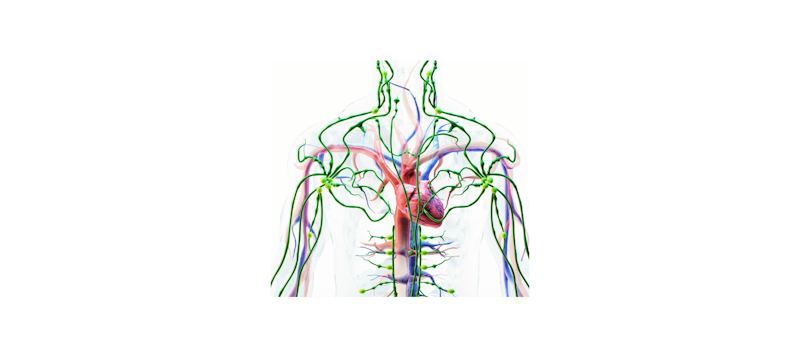
The lymphatic system is a network of vessels and lymph nodes that maintains fluid balance by collecting excess fluid, proteins, and cellular waste from tissues. It also plays a key role in the immune system. When this system is damaged or disrupted, lymph fluid cannot drain effectively. Lymphedema is the chronic swelling that results from this impaired drainage.
Lymphedema most commonly involves an arm or a leg, but it may also affect the breast, chest wall, abdomen, head and neck, or genital area. It is particularly associated with the removal of lymph nodes during surgery or with radiotherapy that alters normal lymphatic pathways. Lymphedema may appear shortly after treatment. But it might develop months or even years later. Because of this delay, it can feel unexpected, even confusing.
It is often described simply as swelling. Yet for those living with it, the experience is more layered. It can affect mobility, comfort, clothing, body image, intimacy, sleep, and confidence. It can influence how long one stands, how far one walks, how tightly one schedules a day.
Much of this adjustment is quiet.
Recognising the Signs
Early symptoms of lymphedema may include:
· Heaviness
· Tightness
· Aching
· Tingling
· A subtle difference in size between one limb and the other
A ring may feel tighter than usual. A sleeve may sit differently. There may be a sense that something feels unfamiliar in the body.
Because changes are often gradual, they are sometimes dismissed. After cancer treatment, there can be an internal pressure to move forward, to feel relieved, to avoid appearing overly concerned. Swelling may be minimised. Yet early recognition and management are important. Without appropriate care, lymphedema can progress and become more difficult to control.
Living with an Ongoing Condition
Lymphedema is not a temporary side effect. For many, it becomes a long term companion. Management may include:
· Properly fitted compression garments
· Prescribed exercises
· Manual lymphatic drainage
· Weight management where appropriate
· Vigilant skin care
Infections such as cellulitis require prompt medical attention. Regular follow up is often necessary. This ongoing care can be physically demanding. It can also be emotionally complex, serving as a visible or invisible reminder of cancer. Even when treatment has ended and scans are clear, the body may continue to carry evidence of what it has endured.
There can be moments of frustration. There can be fatigue with routine. There can be a sense of being misunderstood, especially when swelling appears mild to others but feels significant internally.
And yet, alongside these realities, there is also adaptation. People with lymphoedema learn what supports them. They adjust expectations. They develop practical strategies. They continue to work, to care, to travel, to participate in life.
Beyond the Physical Symptoms
It is essential to address the medical aspects of lymphedema. Early identification, appropriate compression, safe exercise, and infection prevention all matter.
At the same time, awareness must extend beyond the physical.
People living with lymphedema often carry additional responsibilities. Many balance self care with caring for children, partners, or aging parents. They may continue professional roles without visible accommodation. They may navigate changes in body image privately.
Over time, what supports long term wellbeing is not only treatment, but agency: understanding one’s body, asking informed questions, making considered choices, and speaking about impact without minimising it. Just as importantly, it is having spaces where identity is not reduced to a diagnosis.

An Invitation: Lymphedema Support Group For Women
Lamya Gabr and Rawya Daneshi are establishing a lymphedema support group for women after cancer treatment: a space for sharing reliable information, exchanging practical recommendations, and building a community of women who understand the daily realities of living with lymphedema. Above all, it is a place of belonging.
If you feel that this might be for you, reach out to:
lymphedemavoices@gmail.com
Lamya Gabr, a cancer survivor living with lymphedema, brings both personal and professional insight to this initiative. Through her own experience and her work with cancer patients and survivors in a support centre, she knows how isolating lymphedema can feel, and how different it might have been to have a dedicated group from the beginning.
Rawya Daneshi, while working at a cancer support centre, accompanied women and their families through and beyond treatment. Through facilitating support groups and one-to-one conversations, she has seen how often lymphedema is overlooked and how deeply it can affect daily life, and how necessary it is to create informed, compassionate spaces for women living with it.
Subscribe to our newsletter
Stay informed, inspired, and supported! Our monthly newsletter delivers expert advice, real stories, and practical tips to help you navigate life during and after cancer with confidence and hope.